Cayman Shoreline Living: Safety, Lifestyle, and the Rising Cost of “Waterfront”
Dec 20, 2025
2 min read
The shoreline appeal (and why it keeps selling)
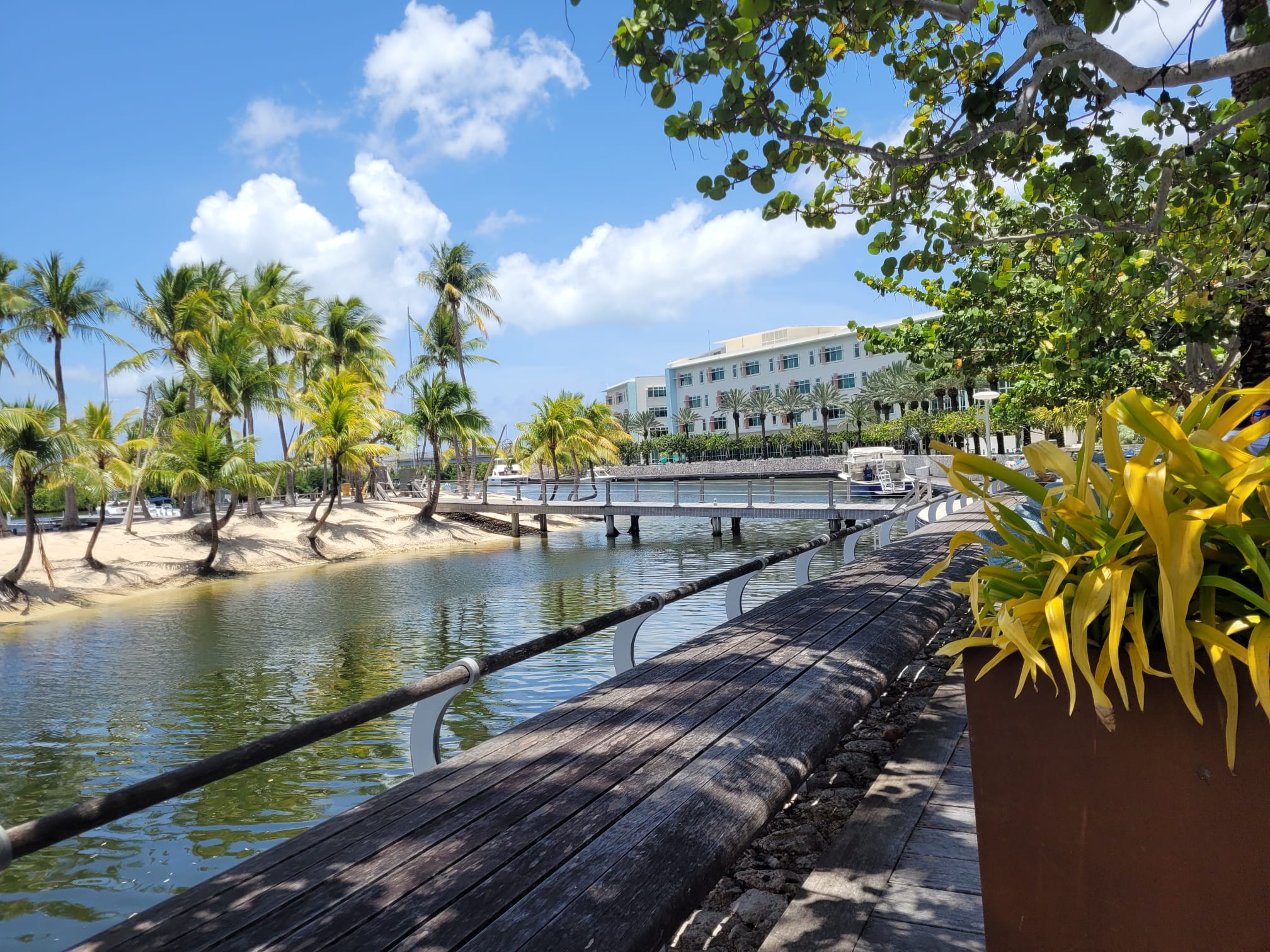
Living on the shoreline in Cayman has a special kind of pull: ocean views, cooling trade winds, and a lifestyle that feels like a permanent vacation. That demand supports pricing, especially for waterfront and water-adjacent homes where the “view premium” is real.
But shoreline living isn’t just a vibe — it’s also a set of practical decisions that buyers need to understand before they fall in love with the balcony.
Safety reality: storms, surge, and salt
Cayman is generally a safe place to live day-to-day, but shoreline properties face a different category of risk: weather and water. During heavy storms, coastal roads can flood and low-lying ground-floor areas can take on water from surge or wave run-up.
Salt air is another slow-motion problem. Corrosion hits metal fixtures, railings, gates, AC components, and even electronics faster than inland. This isn’t “maybe” — it’s basic chemistry, and it translates directly into higher maintenance and replacement cycles.
The cost curve has changed
Shoreline ownership used to be mainly about the mortgage and strata fees. Now, the real cost conversation includes rising insurance premiums, stricter terms, and higher deductibles for coastal exposure.
Expect higher ongoing costs in areas like:
- Insurance (windstorm and flood-related risk)
- Strata fees for waterfront buildings (shared coastal wear and tear)
- Maintenance (paint, rust treatment, AC servicing, seals, shutters)
- Storm prep (shutters, generators, reinforced storage, drainage work)
The shoreline lifestyle is still worth it for many people — but it’s no longer “cheap paradise.” It’s paradise with a spreadsheet.
How smart buyers reduce risk without losing the view
Not all waterfront is equal. A well-built property on slightly higher elevation can behave very differently than a ground-floor unit right at the waterline. Buyers should focus on construction quality, building age, and how the property handles drainage and wind exposure.
Practical checks that matter:
- Ask for the most recent insurance quotes before committing
- Review the building’s maintenance history and reserve planning
- Look for evidence of salt corrosion and past water intrusion
- Understand the difference between “waterfront” and “water view” pricing
The takeaway
Cayman shoreline real estate still has strong long-term appeal, but the market is increasingly pricing in risk and ongoing cost. The winners are buyers who love the water and respect it — planning for maintenance, insurance, and storm reality from day one.
Browse Cayman shoreline listings
Partner
Interested in crypto? Trade with 50% off fees on MEXC