
Bombaclat (also spelled bumbaclot, bomboclaat or bumboclaat) is a Jamaican Patois swear word, and one of the strongest in the language. Literally it means "bottom cloth": a cloth for wiping your backside. In everyday use it works like the F-word in English, either as an exclamation ("Bombaclat!") or as an insult aimed at someone.
If you live in Cayman, you have almost certainly heard it in traffic, at a football match or over a game of dominoes. Here is what it really means, where it comes from, why the whole internet suddenly says it, and when you should (and should not) use it.
What does bombaclat mean literally?
The word is a compound of two Patois pieces:
- Bumbo or bomba: the bottom, the backside.
- Claat or clot: cloth, in the Jamaican pronunciation.
Put together, it is a "bottom cloth". The exact original object is debated. Some say it means toilet paper or a rag used in its place, others say it meant a sanitary cloth, which is a big part of why the word carries so much shock value. There is no single authoritative history of the word, so treat any confident origin story you read online with a pinch of salt.
What is not in doubt is how it lands: in Jamaica, bombaclat is a properly vulgar word, not a cute bit of slang.
How do Jamaicans use bombaclat?
Like most strong swear words, it does a lot of jobs depending on tone and context.
How do you spell bombaclat?
Patois is mostly a spoken language, so there is no official spelling. All of these mean the same thing:
- bombaclat
- bumbaclot
- bumbaclaat
- bomboclaat
- bomboclat
- bumboclaat
- bombaclot
"Bumbaclaat" or "bomboclaat" is closer to how most Jamaicans actually say it. "Bombaclat" is the spelling the internet made famous.
What do rassclaat and bloodclaat mean?
Bombaclat has a whole family of "claat" cousins, all built the same way: a word plus "cloth".
- Rassclaat (or raasclaat): "rass" is the backside (related to the English "arse"), so it means much the same as bombaclat.
- Bloodclaat (or bloodclot): literally a "blood cloth". Very strong.
- Rass on its own: milder, and often used playfully ("Rass!"), a bit like "damn".
The full "claat" words are the heavy artillery. If you would not say the F-word in front of your boss, do not try these either.
Is bombaclat a bad word in Jamaica?
Yes, and in Jamaica it is not just rude, it can technically be illegal. Section 9C of Jamaica's Towns and Communities Act, a law dating back to 1843, makes it an offence to use profane, indecent or obscene language in public, with a fine of up to J$1,500 or up to 30 days in jail. As The Gleaner reported in July 2025, the law is still on the books, and there have been fresh calls to update it after politicians were caught swearing in public.
In practice, you will hear the word constantly in music, on the street and in comedy. But in church, at school, at work, or around older Jamaicans, it is genuinely offensive.
Why is everyone saying bombaclat online?
Social media turned a Jamaican curse word into a global meme, mostly among younger people who have no idea what it literally means.
- In June 2023, a Jamaican TikToker posted a clip using a "What Dog Are You?" filter and asking which "bomboclaat dog" he was. The sound took off in slideshows and remixes, as Know Your Meme documents.
- In late 2025, a comedy sketch built around the phrase "Bomboclat Wallahi" spread across TikTok, with one reupload passing 12 million views, according to Know Your Meme.
- Since then, "bombaclat" captions on dramatic photos and reaction videos have become a running joke.
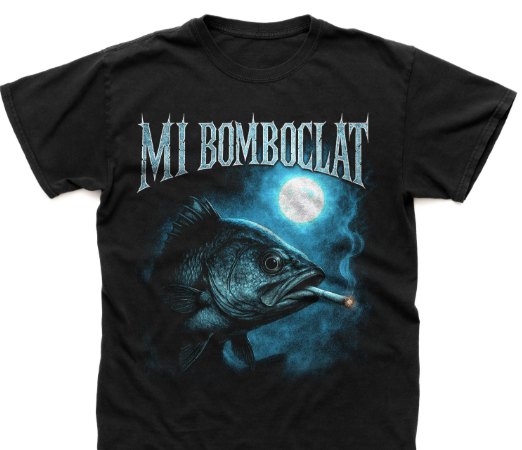
So when you see a teenager in another country typing "bombaclat" under a video, they are usually using it the way people use "OMG" or "bruh". Jamaicans have mixed feelings about that: some find it funny, others see a strong word being thrown around by people who do not understand it.
Will you hear bombaclat in Cayman?
Almost certainly. Cayman and Jamaica are close neighbours with deep family ties, and Jamaicans are by far the largest group of foreign workers on the island. When the government's workforce agency last broke the numbers down publicly, in April 2021, more than 10,500 of the roughly 24,200 work permit holders were Jamaican, more than the next two nationalities combined, as Cayman News Service reported. If you are curious how that system works, our guide to work permit wait times in 2026 explains it.
That means Patois is part of everyday island life. You will hear bombaclat (and its cousins) in rush-hour traffic on the bypass, at five-a-side football, over a loud game of dominoes, on the construction site and in the dancehall tracks playing from car stereos. You will also hear plenty of Caymanian expressions, which are their own thing and not the same as Jamaican Patois.
Should you say bombaclat?
A few honest rules of thumb, especially if you are new to the island:
- Among close friends who use it themselves: it can be fine, and it will probably get a laugh.
- At work, with customers or around elders: do not. It is offensive, full stop.
- Aimed at a person: that is an insult, not a joke, and it can escalate quickly.
- If you are not Jamaican: be aware that some people will find it disrespectful when outsiders use it casually, the same way some people feel about other cultures' slang.
- Around police, anywhere: just do not.
Knowing what it means is useful. Knowing when to keep it to yourself is even more useful.
Quick answers
What does bombaclat mean in English? Literally "bottom cloth". In use, it is a strong swear word like the F-word, used as an exclamation or an insult.
Is bombaclat offensive? Yes. In Jamaica it is considered very vulgar, and swearing in public is still technically an offence under the Towns and Communities Act.
What is the difference between bombaclat and rassclaat? Very little. Both are "cloth" curse words from Jamaican Patois and both are strong. Rassclaat uses "rass" (backside) instead of "bumbo".
Why does TikTok say bombaclat? Viral Jamaican clips from 2023 onwards turned the word into a meme, so many people now use it like "OMG" without knowing its meaning.
New to the island and still learning the local lingo? Our complete guide to moving to Cayman from the US covers the practical side of settling in.