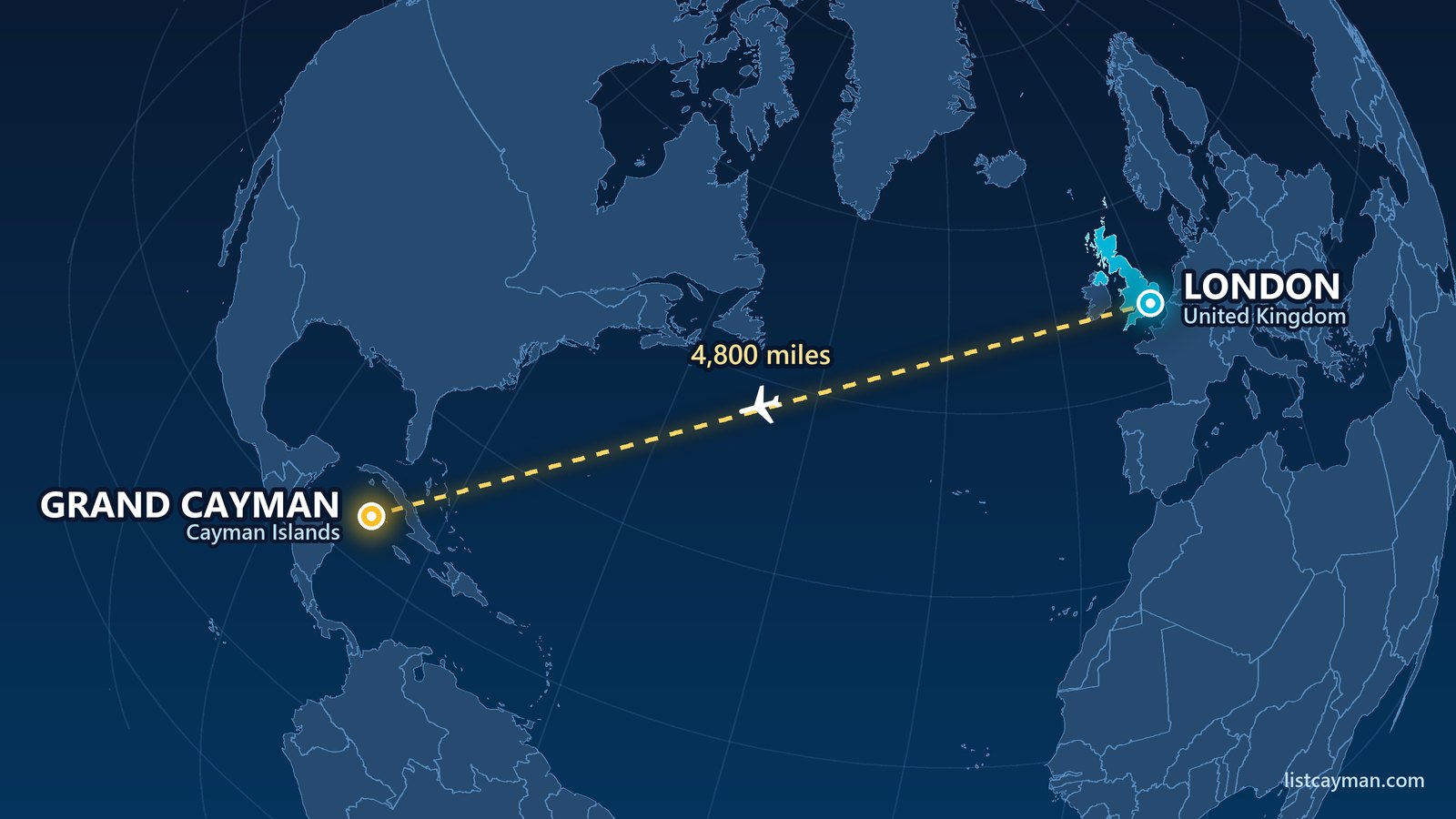
Every year, a few thousand people pack up their lives and move to a 22-mile-long island in the Caribbean, often sight unseen beyond a week-long vacation years earlier. Most of them land, settle in, and never look back. But almost every long-term expat here has a list of things they wish someone had told them before the moving boxes arrived. This is that list, built from the patterns that show up again and again in conversations around George Town offices, school pickup lines, and Seven Mile Beach happy hours.
None of this is meant to scare anyone off. Cayman remains one of the best places in the world to build a tax-free life with genuine Caribbean weather and a functioning first-world infrastructure. But the gap between the brochure version and the lived version catches people off guard, and closing that gap before you arrive saves a lot of frustration.
The Cost of Living Is Not What the Tax Savings Suggest
The pitch is simple: no income tax, no capital gains tax, no corporate tax. For a lot of professionals moving from the US, UK, or Canada, that alone can mean tens of thousands of dollars back in your pocket every year. What nobody mentions upfront is how much of that gets quietly absorbed by everyday costs.
Groceries run 25 to 40% higher than a mid-size US city, because almost everything is imported. A gallon of milk, a box of cereal, fresh produce, all of it travels by boat or plane before it reaches a shelf in George Town. Utilities are another surprise. Electricity in Cayman is generated almost entirely from diesel, and air conditioning runs nonstop for at least eight months of the year. A three-bedroom house can easily see a CI$400 to CI$700 monthly power bill in peak summer months.
Then there's housing itself. Rent on a two-bedroom condo on Seven Mile Beach starts around $3,000 to $4,500 a month, and that's before strata fees if you're buying rather than renting. The tax savings are real, but they get eaten by a cost structure built around a small island that imports nearly everything it consumes. People who budget as if Cayman is simply "tax-free Florida" are usually the ones who feel the pinch hardest in year one.
Housing Moves Fast, and Good Inventory Doesn't Sit
Most new arrivals assume they'll land, take two or three weeks to look around, and then sign a lease or make an offer. In practice, the decent rentals and well-priced sale listings move within days, sometimes hours, especially anything under $600,000 or renting under $3,500 a month. With roughly 3,388 active listings across the island right now, there's no shortage of inventory in absolute terms, but the good stuff in the right location at the right price still gets snapped up fast.
This catches people off guard because island life feels slow in every other respect. Restaurants take their time, government offices move at their own pace, but the property market does not wait for you to feel ready. If you're serious about renting or buying, have your paperwork, deposit, and decision-making process sorted before you start viewings, not after you fall in love with a place. Browsing current inventory on the market data dashboard before you even book a flight gives you a realistic sense of what's actually available at your budget, rather than relying on outdated price expectations from a friend who moved here five years ago.
Work Permits Shape Everything, Including Where You Can Live
If you're moving for a job, your employer typically sponsors your work permit, and that permit is tied to that specific employer and role. Change jobs, and you generally need a new permit process. This isn't unique to Cayman, but what surprises people is how much the permit timeline can affect their housing decisions. Signing a 12-month lease before your permit is fully approved, or before you're confident your employment situation is stable, has burned more than a few newcomers who then had to break leases or scramble for new arrangements.
The practical advice from people who've been through it: don't commit to long-term housing until your permit status is confirmed, and build in a short-term rental buffer of a month or two if your timeline allows it. It costs more per month upfront but saves you from being locked into something that no longer makes sense if your work situation shifts.
The Car You Bring (or Buy) Matters More Than You'd Think
Cayman drives on the left, a holdover from its history as a British Overseas Territory, and both left-hand-drive and right-hand-drive vehicles are legal on the roads. This flexibility sounds convenient until you're actually behind the wheel of an LHD car trying to judge oncoming traffic on narrow West Bay roads, or waiting for parts for an RHD vehicle that aren't stocked locally.
Most long-term expats recommend buying locally rather than shipping a car from home. Shipping costs, import duties, and the adjustment period of driving an unfamiliar configuration on unfamiliar roads usually outweigh any sentimental attachment to your old vehicle. The used car market here is active and reasonably priced for a small island, and mechanics are far more familiar with servicing cars that were actually sold through local dealerships.
Hurricane Season Is a Real Planning Consideration, Not a Formality
Everyone knows Cayman sits in hurricane territory, but knowing it intellectually and actually living through a named storm watch are different experiences. The season runs June through November, and while direct hits are infrequent, the preparation rhythm becomes part of annual life: stocking water and non-perishables, knowing your property's shutter situation, understanding your insurance coverage, and having a plan if flights get cancelled right when you need to leave or a family member needs to arrive.
Hurricane insurance is mandatory for most financed properties and runs 1 to 2% of the property's value annually, which is a meaningful line item that first-time buyers often underestimate when running their numbers. If you're comparing the true cost of ownership, it's worth running your numbers through a mortgage calculator that accounts for insurance alongside principal and interest, rather than just comparing sticker prices to what you were paying back home.
Buying Property as a Foreigner Is Easier Than People Expect
This one tends to surprise people in a good way. Cayman places no restrictions on foreign property ownership. You don't need residency, you don't need a local partner, and you don't need special government approval to buy. The process is straightforward enough that many people buy before they've even secured long-term residency status.
What does trip people up is the stamp duty structure. Under current law, buyers pay 7.5% stamp duty on the value of a property up to CI$2 million, and 10% on the portion above that threshold. On a $3 million purchase, for example, that means 7.5% on the first $2 million and 10% on the remaining $1 million, a meaningful chunk of change that needs to be budgeted alongside the purchase price itself. Running the actual numbers through a stamp duty calculator before you start seriously shopping avoids the unpleasant surprise of discovering your closing costs are tens of thousands higher than you assumed.
The Social Scene Is Smaller Than It Looks From the Outside
With a population of roughly 90,000 and growing about 5% a year, Cayman is genuinely a small community dressed up in a cosmopolitan outfit. You will run into the same people at the grocery store, the school run, and the same three restaurants, repeatedly. For some expats this is the best part of the move, a real sense of community that's hard to find in a big city. For others, especially those used to the anonymity of a large metro area, it takes real adjustment.
The flip side is that the small size makes networking and settling in faster than almost anywhere else. Join one sports league, one church, one parent WhatsApp group, and within a few months you'll know a meaningful slice of the island. People who struggle most are usually the ones who expected Cayman to feel like a bigger city and tried to maintain that kind of anonymity rather than leaning into the small-island rhythm.
Schools Fill Up, and Waitlists Are Real
Families moving with school-age kids are often shocked to learn that the better private schools maintain genuine waitlists, sometimes a year or more out for popular grade levels. If you're planning a move with children, starting the school application process as early as possible, ideally before you've even finalized housing, saves enormous stress later. Several schools accept applications well ahead of an actual move date, and the ones with strong reputations fill their seats accordingly.
Renting First Is Usually the Smarter First Move
Even people who arrive certain they want to buy are often better served renting for the first six to twelve months. It gives you time to learn which districts actually suit your commute, your kids' school, and your lifestyle, rather than locking into a purchase based on a two-week scouting trip. The rent vs buy math in Cayman can shift depending on how long you plan to stay and how property values are moving in your target area, and running your specific numbers through a rent vs buy calculator gives a clearer picture than gut instinct alone.
The Bottom Line
Moving to Cayman delivers on most of what it promises: genuine tax savings, warm weather year-round, a safe and well-run small jurisdiction, and a lifestyle that's hard to replicate elsewhere. The disappointments that do show up are almost always about expectations, not reality. People expect the cost savings to be bigger, the housing search to be slower, the social scene to be larger, or the hurricane season to be more abstract than it actually is.
Get the expectations right before you land, and the actual experience of living here tends to exceed what the brochures promised in the first place.
If you're in the research phase of a move, browsing current listings or reading more on the ListCayman blog is a good way to get a realistic feel for the market before you arrive, and when you're ready to list a property or a rental of your own, posting is free and AI-assisted.